
 Saved places
Dog-Friendly UK Travel: Plan a Trip With Your Dog
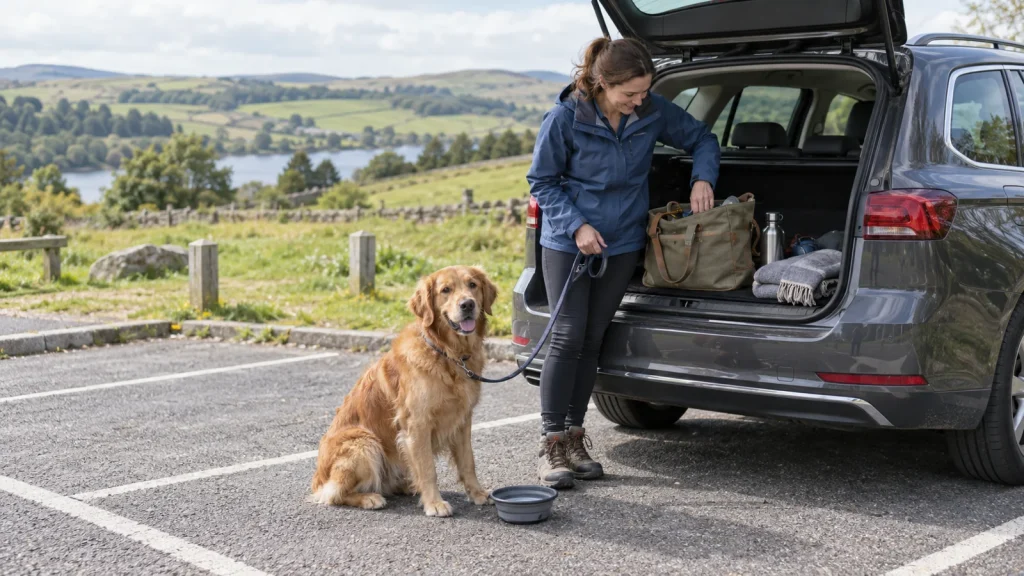
Plan a dog-friendly UK trip around the number of dogs travelling, the exact accommodation and the places you need to use. Check each stop independently. A larger raw discovery count does not mean a larger set of confirmed dog-friendly places.
Begin with the conditions you cannot change
List your party, dates, accommodation needs and essential visit requirements. Dog allowances and indoor access are separate questions. Resolving them early can save time comparing places that do not actually fit the trip. A general dog-friendly label is only a starting point when the details that matter to you remain unknown.
For a stay, choose the relevant hotel and B&B, cottage or camping and glamping guide. Keep the accommodation’s room or property terms separate from the rules at food stops, attractions and outdoor destinations.
Check dog access for the exact booking
The directory displays dog-related access and service information. Assistance-dog access alone does not establish permission for an ordinary visit with your dog. Read the permitted areas, restrictions and source dates together.
Use the dog accommodation checklist when asking an operator about a stay. Confirm the specific room, the number of dogs, charges and shared areas before booking.
Understand the four-nation coverage
England, Scotland, Wales and Northern Ireland have separate location filters. Town and settlement lookup data helps narrow the search without sending bulk requests to a public geocoder. It is geographic reference data, not an extra set of venues, and an approximate record location is not a confirmed entrance.
Read the four-nation planning guide for the difference between national coverage and complete local coverage. Official outdoor information has different publishers in different nations, so current site-specific instructions still matter after choosing a location.
Build a modest, workable day plan
Choose one main destination and one independently checked food stop, then save the records. Arrange the stops in the order you expect to visit and keep a fallback for an essential unknown or changed condition. The planner uses straight-line distances; it does not provide journey times, a route assessment or live availability.
The day-out planning guide shows how to keep the source links and confirmation questions together. If you use a shared plan, remember that it is a copy of useful planning information, not a booking or a new verification of every listed policy.
Check travel operators separately
An accommodation or attraction policy does not answer transport questions. If the trip includes a train, ferry or another carrier, consult that operator’s current dog conditions for the specific service and booking. Ask about the number of dogs, any required booking arrangement and any relevant carrier restrictions before assuming the whole journey will work.
Keep transport confirmations with the venue confirmations. A directory map line or a nearby result does not replace that information. This guide does not claim one universal dog rule for UK transport services or cross-border trips.
Keep facts, plans and confirmations distinct
- Directory record: what a cited source supports and when it was fetched.
- Operator confirmation: what the provider has told you for this visit.
- Your plan: the order of stops, arrival details and alternatives.
- Unknown: an unanswered question that still needs a check.
The distinction makes the trip easier to adapt and the directory easier to improve. Submit corrections with a relevant source; no unsupported answer is added merely to make a record look complete. Start with all planning guides or the current directory and choose the next question you need to resolve.
Explore matching listings
7,360 matching published records. These counts do not include source observations or unpublished discoveries.